
Top products


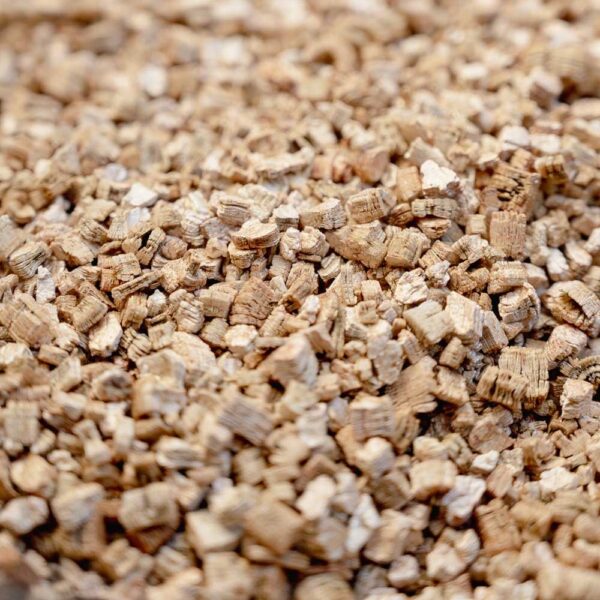



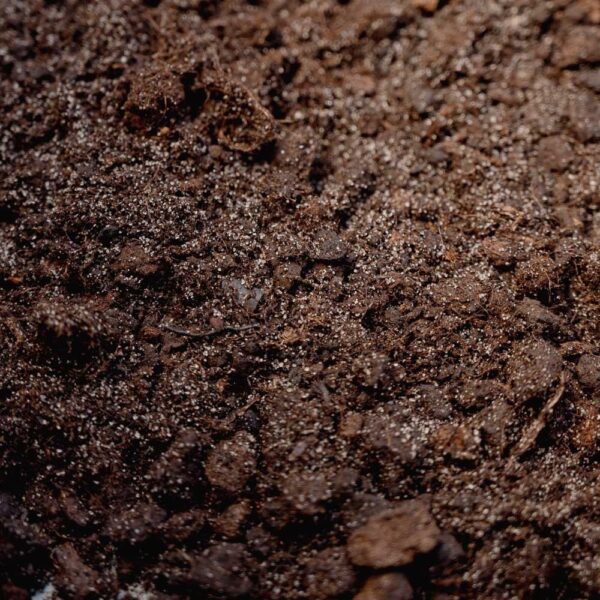



Sphagnum moss
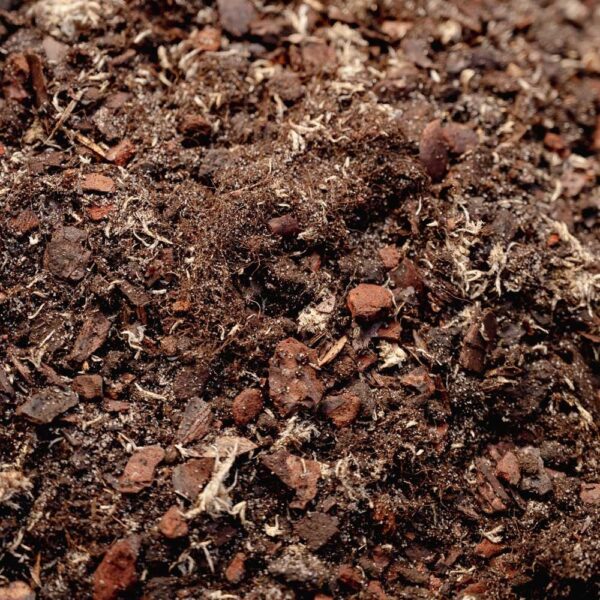
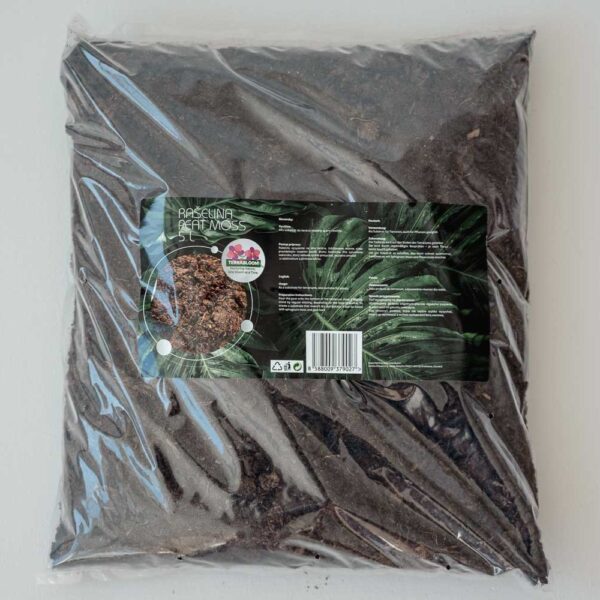
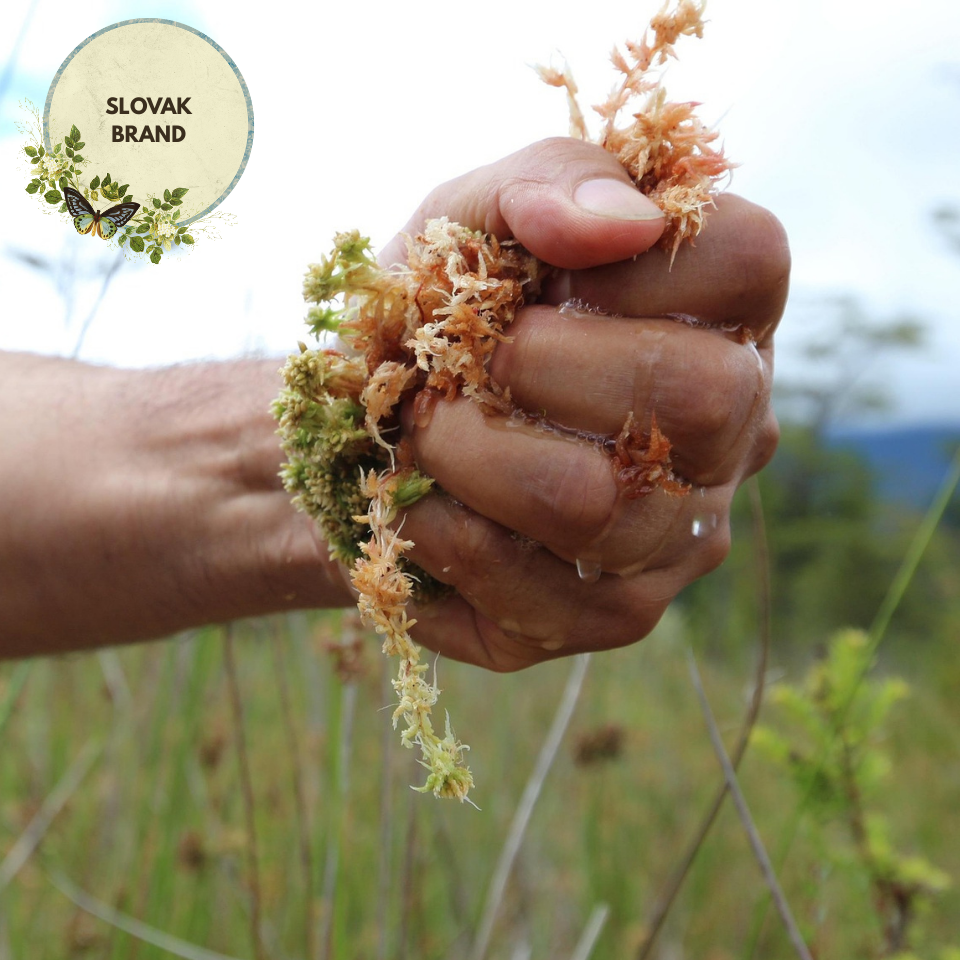
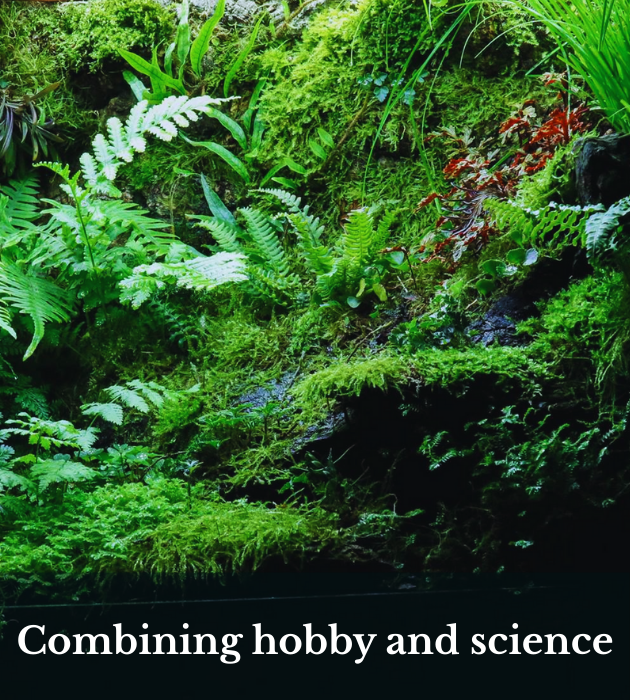
Sphagnum moss belongs to the moss family, with approximately 380 different species recognized worldwide. It is a unique natural material known for its incredible ability to retain water. Depending on the species and part of the stem, it can hold 16 to 26 times its dry weight in water. This is why it is used as an irreplaceable component of growing substrates. It is also light and airy, and can acidify the environment, thereby affecting the availability of nutrients for plants. It also grows in the Slovak nature, but its collection is prohibited for nature conservation reasons. For cultivation, it is grown as a renewable raw material on specialized farms, where our product comes from. We import it in high quality with a minimum of unwanted plants. It is suitable not only for sowing and cuttings, but also for mixing into other substrates. It can also be used in terrariums for incubating eggs or as a decorative element.

Natural composition
Renewable source
of raw materials

Resilience
Suitable for various
conditions

Sowing
Promotes seed
germination

Maintenance
Keep slightly moist
after moistening



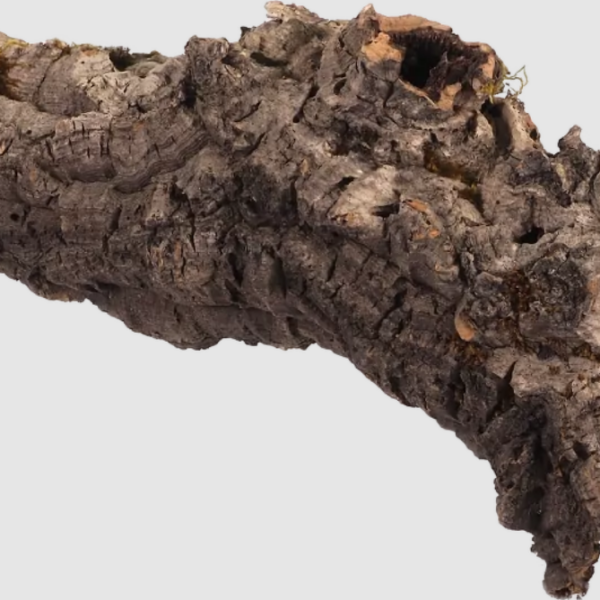
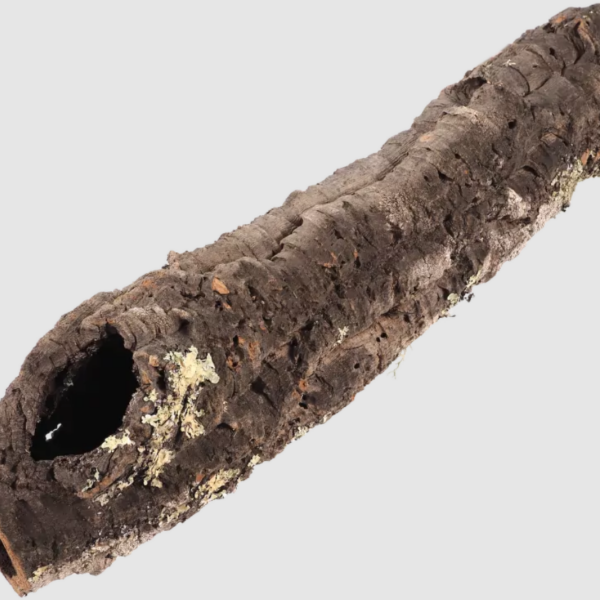
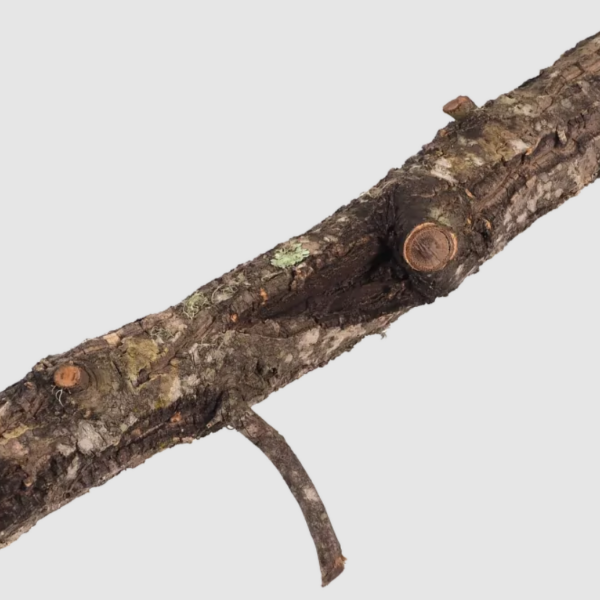
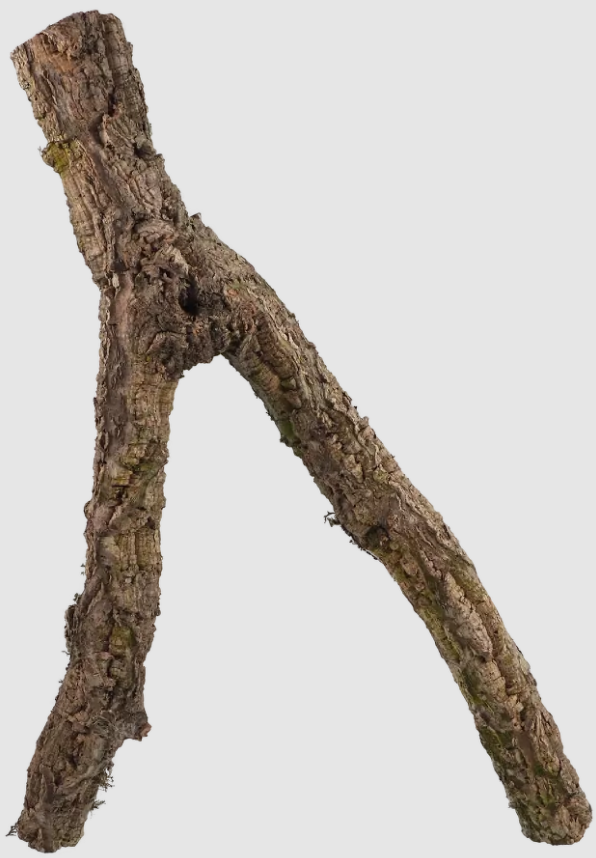
Natural cork
Natural composition
Renewable source
of raw materials
Resilience
Suitable for various
conditions
Dekorácia
Suitable for terrariums
and other environments
Maintenance
No maintenance
required
Why choose us

Premium Slovak quality
We transform our many years of experience into the development of new products that are manufactured in Slovakia. We carefully select each ingredient to ensure not only durability but also the conservation of natural resources.
Biodiversity support
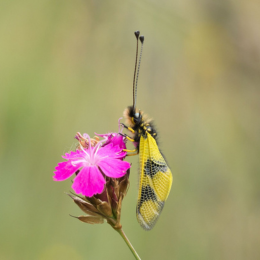
Not only do we manufacture products that promote biodiversity, we also actively participate in nature conservation activities. The owners are permanent members of conservation associations, and a percentage of our taxes goes to environmental organizations.

From science to practice